The Indo Fork
Archives
Not restaurant food. Family food.
Subscribe
The Indo Fork
Archives
Not restaurant food. Family food.
The Indo Fork
Jan 31, 2026
Selamat datang at The Indo Fork |
The Indo Fork is a story-driven publication about Indo family cooking, memory, and tradition. |
Rooted in inherited recipes and kitchen rituals, it explores Indonesian and Indo food through personal stories, cultural context, and authentic dishes passed down through generations. |
Trivia Question❓What traditional Indonesian dish consists of seasoned rice wrapped in a banana leaf and usually served with a variety of side dishes such as fried chicken, tempeh, and sambal? Answer at the bottom of the newsletter |
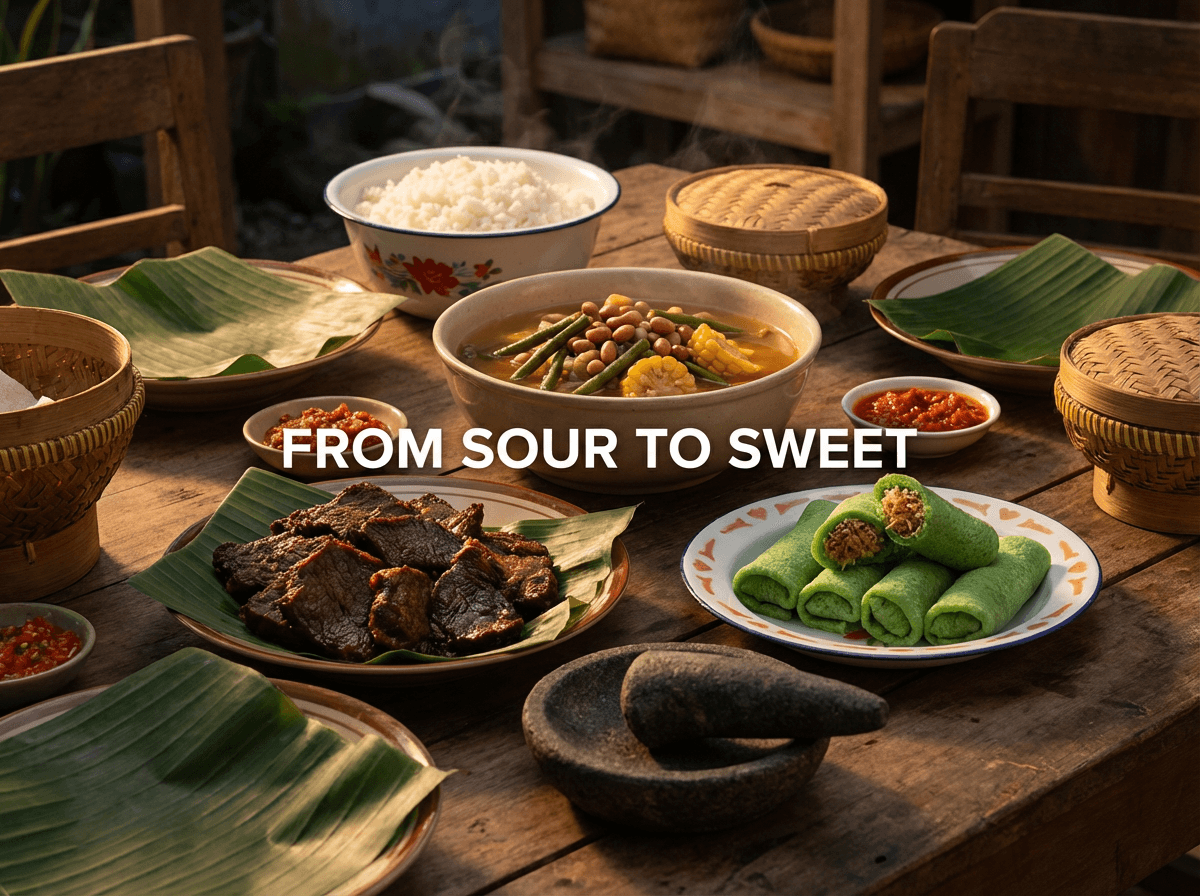
From Sour to Sweet
A Javanese family menu that unfolds course by course |
 |
There are meals that arrive all at once.
And there are meals that reveal themselves slowly.
This is the second kind.
A pot is put on first, not because anyone is hungry yet, but because it needs time. Vegetables are rinsed, beef is left to simmer, coconut is grated while someone tells a story that has been told before. No one rushes it. No one writes anything down.
This menu follows that rhythm. Light first. Then depth. Then sweetness.
Not restaurant food. Family food. |
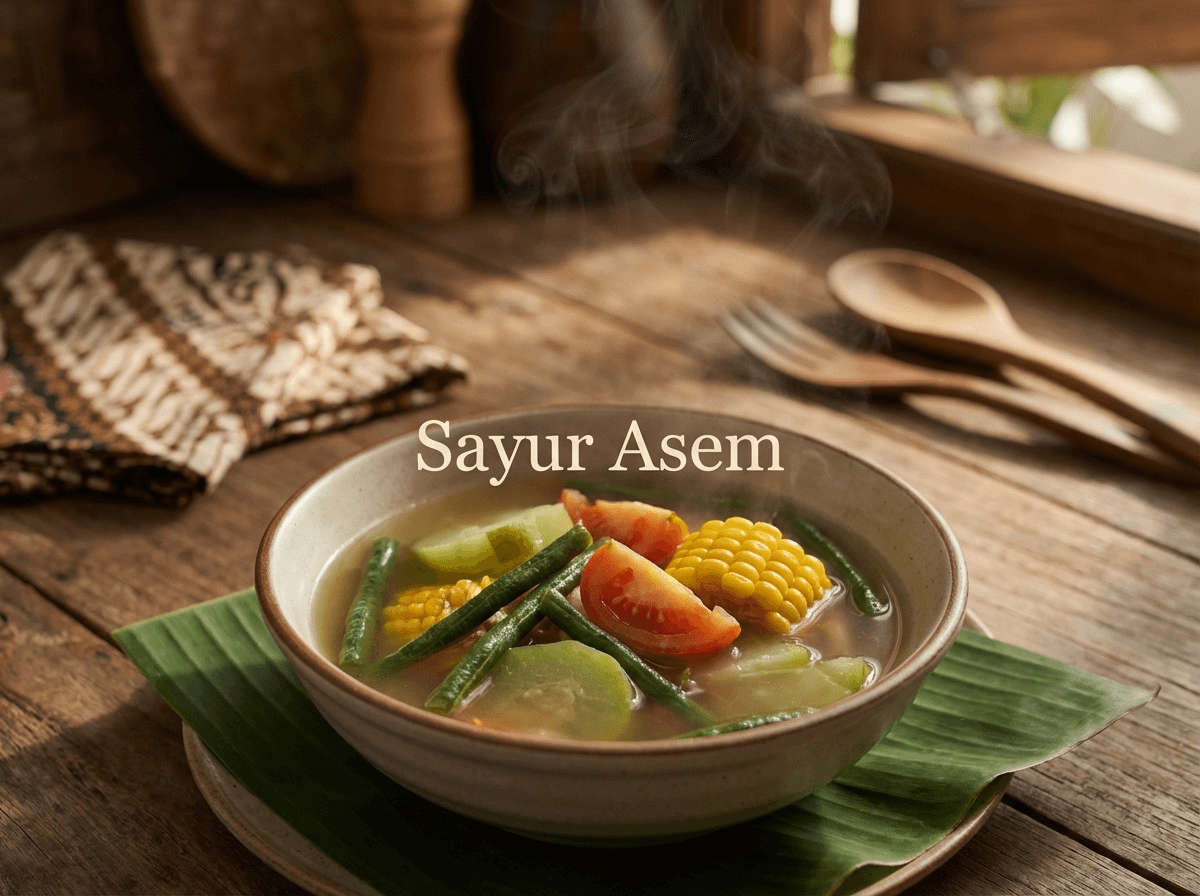 |
First course – Sayur Asem
Sayur Asem always opens the table gently.
The broth is clear, but the flavor is not. Tamarind brings a soft sourness that wakes the mouth. Long beans keep their bite. Corn adds sweetness. Melinjo leaves a faint bitterness behind.
In Javanese homes this soup rarely stands alone. It is spooned quietly into small bowls, tasted between bites of rice, never meant to fill you. Its task is simpler than that.
It prepares you.
Recipe – Sayur Asem
Ingredients (serves 4) 1 liter water (4¼ cups) 40 g tamarind pulp (1½ oz) 100 g long beans, cut into 4 cm pieces (3½ oz) 1 ear corn, cut into chunks 50 g chayote or young jackfruit (1¾ oz) 1 tomato, quartered 2 kaffir lime leaves
Spice paste 3 shallots 2 cloves garlic 2 candlenuts 1 tsp roasted shrimp paste
Preparation Soak tamarind in warm water and strain. Pound spice paste until smooth. Bring water to a boil, add paste and lime leaves. Add vegetables in stages, corn first. Finish with tamarind water and tomato. Taste for balance. |
 |
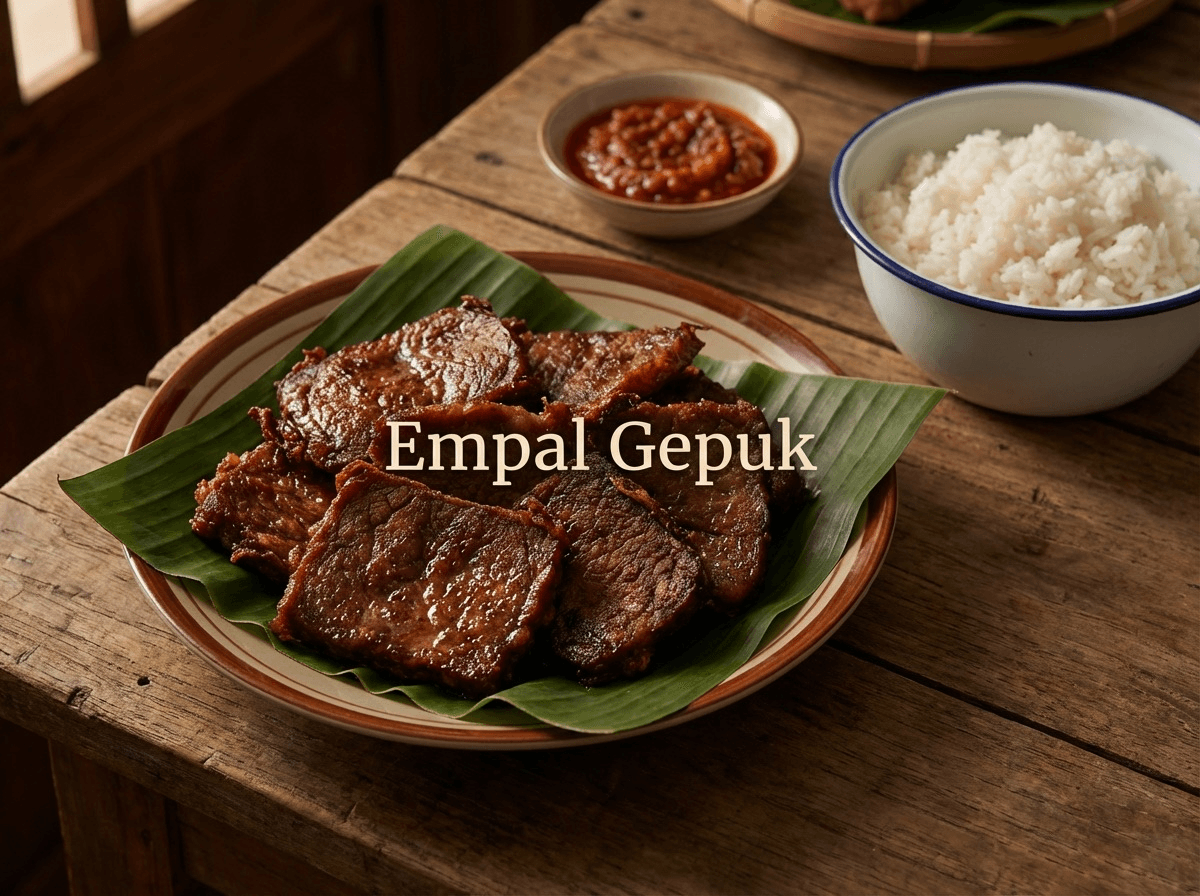 |
Second course – Empel Gepuk
Empal Gepuk is a dish that asks for patience.
Beef is simmered slowly in coconut water and spices until it yields. Then it is pressed flat, not aggressively, just enough. Only then does it meet hot oil, where the edges darken and crisp.
The result is rich but controlled. Sweet from palm sugar, savory from coriander and garlic. Tender inside, firm at the edges.
This is the dish people reach for second helpings of, pretending they are still hungry.
Recipe – Empal Gepuk
Ingredients (serves 4) 800 g beef flank or brisket (1¾ lb) 500 ml coconut water (2 cups) 2 bay leaves 1 stalk lemongrass, bruised Oil for frying
Spice paste 6 shallots 4 cloves garlic 1 tbsp coriander seeds 2 cm galangal (¾ inch) 2 tbsp palm sugar Salt
Preparation Simmer beef with spice paste, coconut water, bay leaf and lemongrass until tender. Remove and gently pound flat. Fry in hot oil until golden at the edges. Serve with rice, sambal and something sour on the side. |
 |
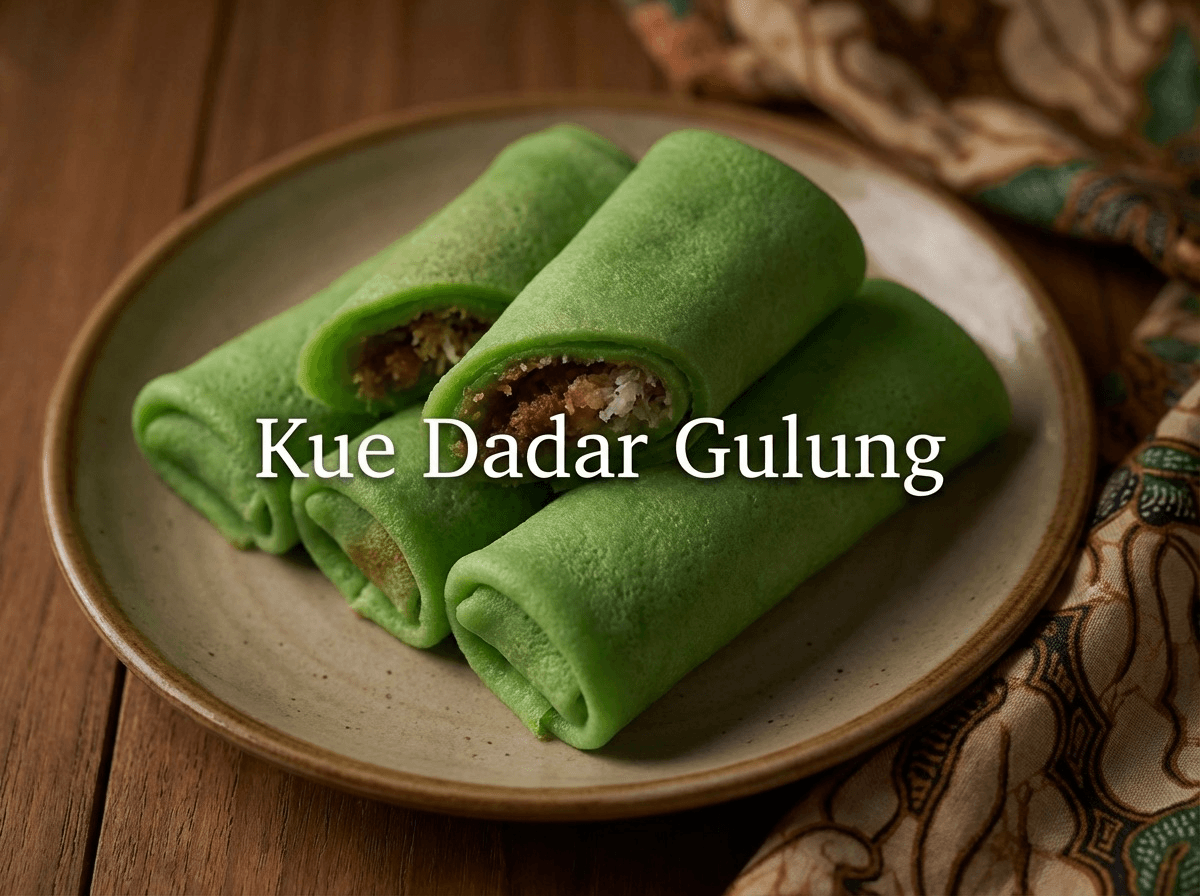 |
Third course – Kue Dadar Gulung
Dessert comes last, but it is never an afterthought.
Kue Dadar Gulung is soft and fragrant. Pandan gives the pancakes their green color and gentle perfume. Inside, coconut and palm sugar melt into something sticky and warm.
These are folded carefully, often by someone who has done it hundreds of times. They are eaten with fingers, usually while talking resumes.
A sweet ending that does not end the evening.
Recipe – Kue Dadar Gulung
Ingredients (10–12 pieces)
Pancakes 125 g flour (1 cup) 1 egg 300 ml coconut milk (1¼ cups) 1 tsp pandan extract Pinch of salt
Filling 150 g grated coconut (5 oz) 120 g palm sugar, chopped (4¼ oz) 2 tbsp water 1 pandan leaf
Preparation Simmer filling until glossy and cohesive. Cool. Whisk pancake batter smooth. Cook thin pancakes in a lightly oiled pan. Fill, fold, serve slightly warm. |
 |
This week's article recipes |
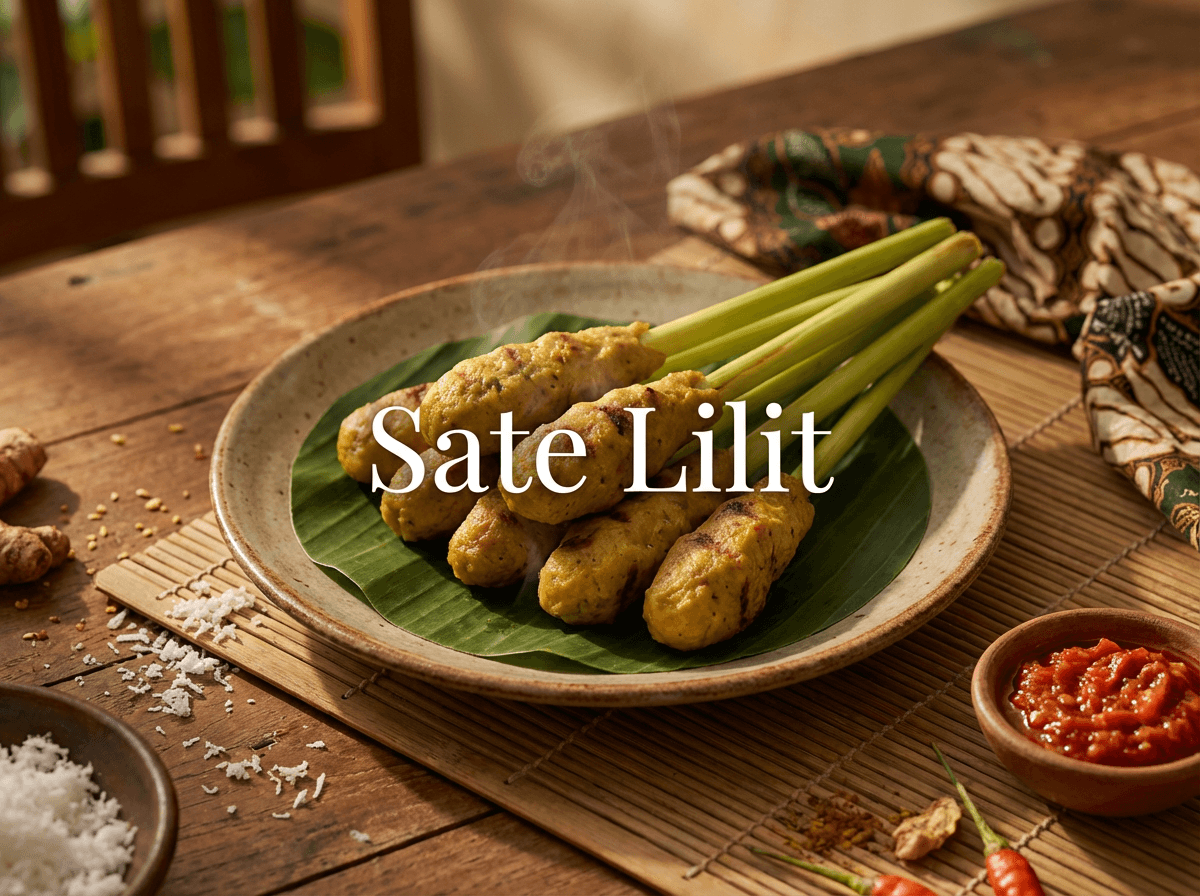 |
Sate Lilit is a cherished Balinese dish recognized for its quiet skill rather than dramatic flair.
Unlike other grilled skewers, it’s shaped gently by hand with seasoned fish, chicken, or pork, wrapped around lemongrass stalks.
This satay comes alive in family kitchens, where preparation unfolds amid conversation and the radio’s warm hum.
The mixture relies on touch—coconut adds softness, kaffir lime leaves infuse brightness, and galangal brings depth, delivering a balance that comforts more than it dazzles.
Grilled slowly, the stalks release fragrance, and the coconut caramelizes just enough—offering aroma without heavy char.
Sate Lilit belongs on a table with rice, sambal, and vegetables, inviting another taste without demanding attention.
This dish embodies Bali’s spirit of togetherness, often prepared for ceremonies in a rhythm that celebrates connection over spectacle.
It is food that tells its story quietly—with every bite. Read More... |
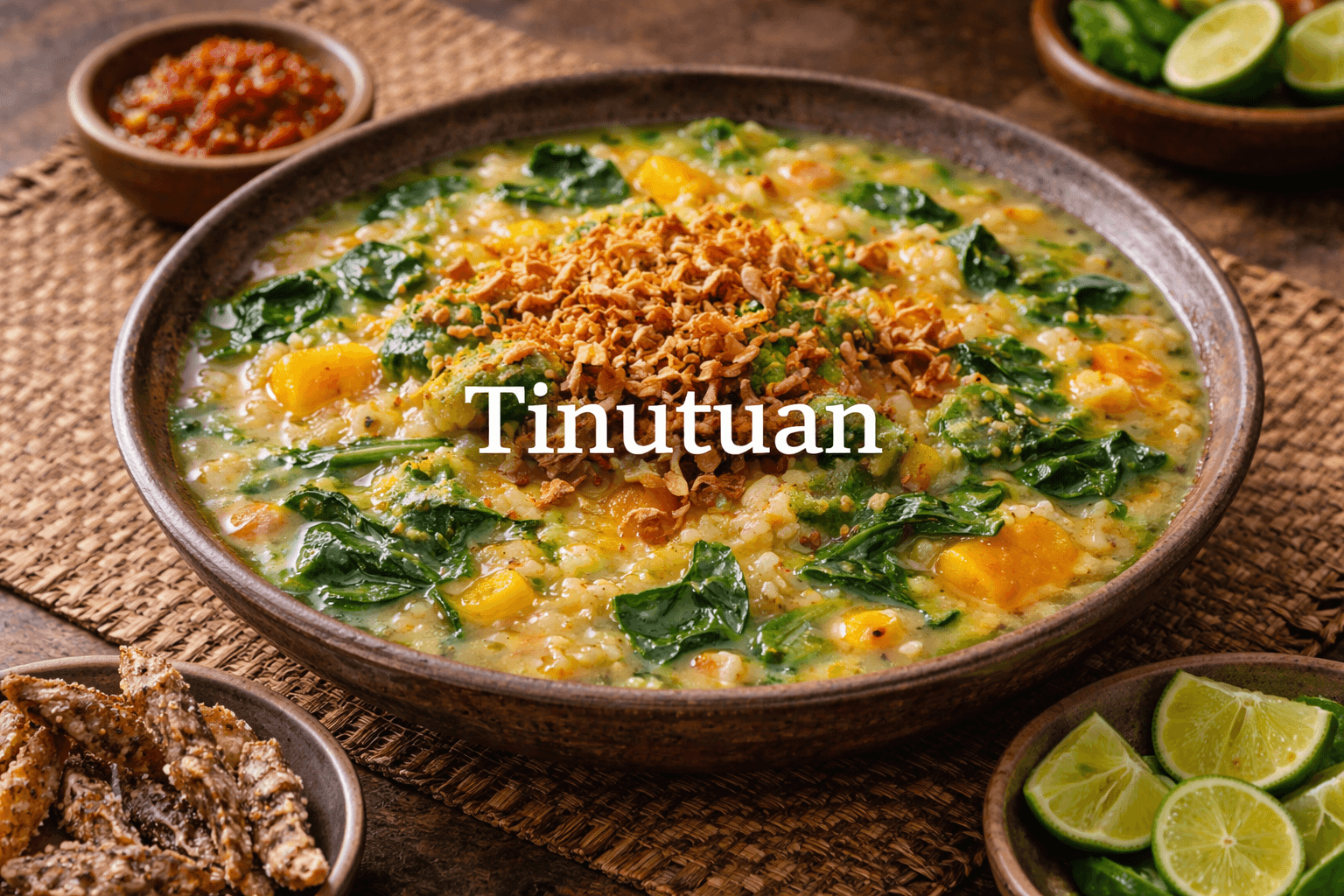 |
Tinutuan, or Bubur Manado, is North Sulawesi’s signature vegetable porridge cherished for its gentle nature.
Unlike fiery Indonesian fare, this dish welcomes the day with subtle comfort—no frying, no heavy spice pastes, just delicate flavors coaxed from pumpkin, corn, carrot, spinach, rice, and patience.
Traditionally served in Manado mornings, tinutuan provides humble nourishment that empowers locals for daily work and connection.
Families afar often overlook it, but for those who remember, its calm strength is unforgettable—this meal simply earns respect.
Tinutuan is always shared. Each bowl becomes personal, topped with sambal for heat, fried shallots for crunch, and lime for brightness, sometimes accompanied by salted fish or fried tofu.
The texture stays soft and loose—not thick paste—inviting each cook’s attention.
This beloved Manado porridge still begins days and sparks conversation wherever Indonesians gather. Read More... |
 |
Selamat makan,
Some menus are designed. Others are remembered.
This one moves the way a family meal does. From sour to sweet. From first spoon to last bite.
Ayo Makan-Makan! |
Follow us on Facebook: https://www.facebook.com/theindofork
Entrepeneur? Do our business quiz: |
|
💡 Answer to Trivia Question: Nasi Kuning |
THIS PUBLICATION SPONSORED BY