The Indo Fork
Latest News
|The Indo Fork
Latest News

Subscribe

SIGN UP FOR OUR NEWSLETTER

The Indo Fork

Latest News

Latest News

The Indo Fork

Latest News

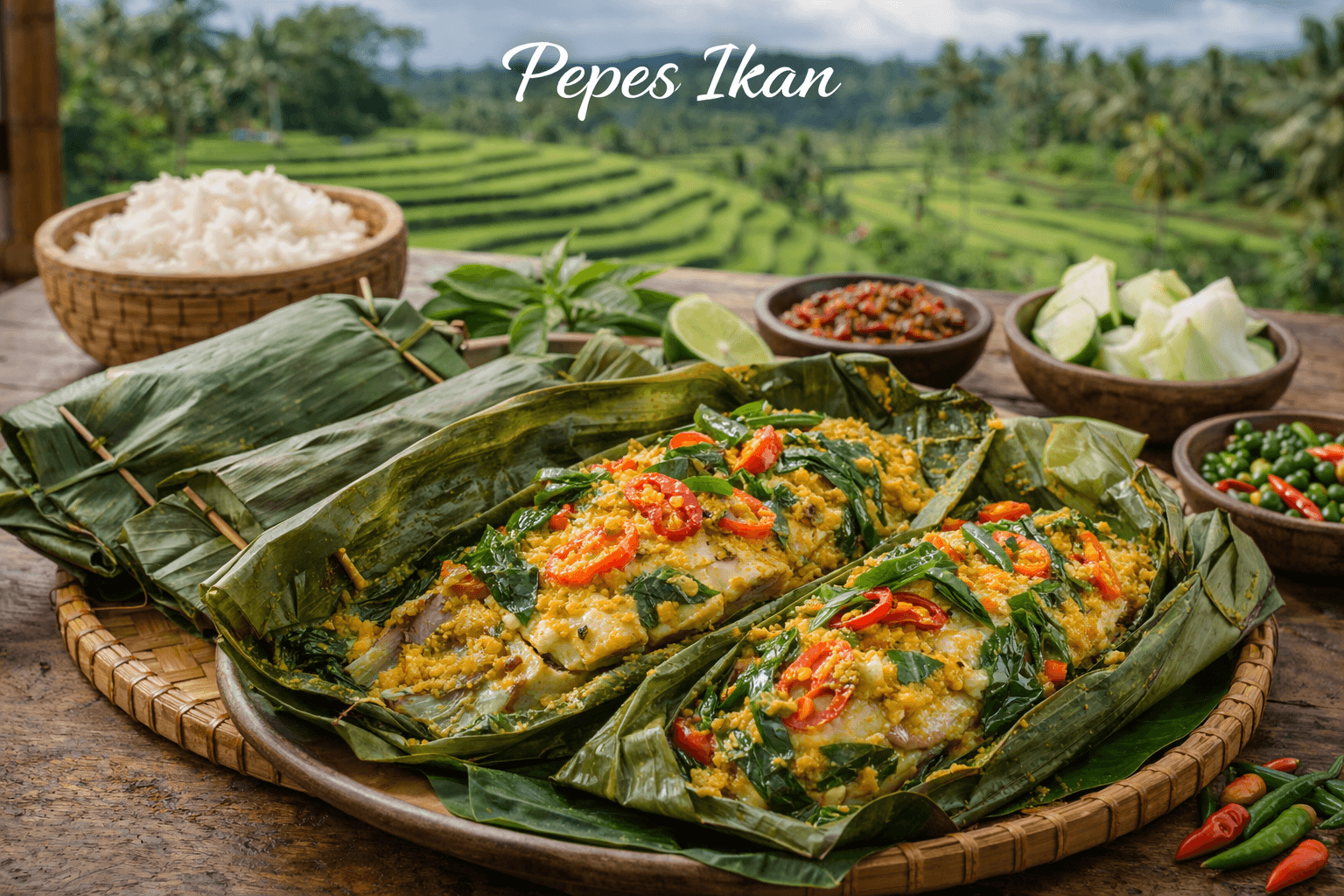
"Pepes Ikan – Traditional Indonesian Fish Steamed in Banana Leaf"

Authentic Pepes Ikan from Indonesia: fish marinated in spices, wrapped in banana leaf, and gently steamed for delicate flavor.

The Indo Fork

The Indo Fork

Jan 14, 2026
"Pepes Ikan – Traditional Indonesian Fish Steamed in Banana Leaf"

Pepes ikan is a cherished Indonesian dish known for its gentle preparation and aromatic flavors.


Instead of frying, fresh fish is wrapped in banana leaves with a fragrant spice paste made from turmeric, shallot, ginger, chilies, and candlenut, then steamed until just cooked.


The banana leaf isn’t just wrapping; it imparts a delicate grassy aroma, while the turmeric and lemongrass infuse the fish from within.


With no crispy edges or dryness, the fish stays moist, clean tasting, and beautifully seasoned.


At the table, the unveiling of each parcel releases a cloud of steam, inviting everyone to lean in and share.


Pepes ikan is classically served with steamed rice, sambal, and fresh lalapan like cucumber or basil, celebrating the spirit of restraint, balance, and patience at the heart of Indonesian cooking.

"Sayur Lodeh – Traditional Javanese Coconut Vegetable Stew"

Authentic Sayur Lodeh from Java, a coconut milk vegetable stew with long beans, cabbage, tempeh, and aromatic spices.

The Indo Fork

The Indo Fork

Jan 14, 2026
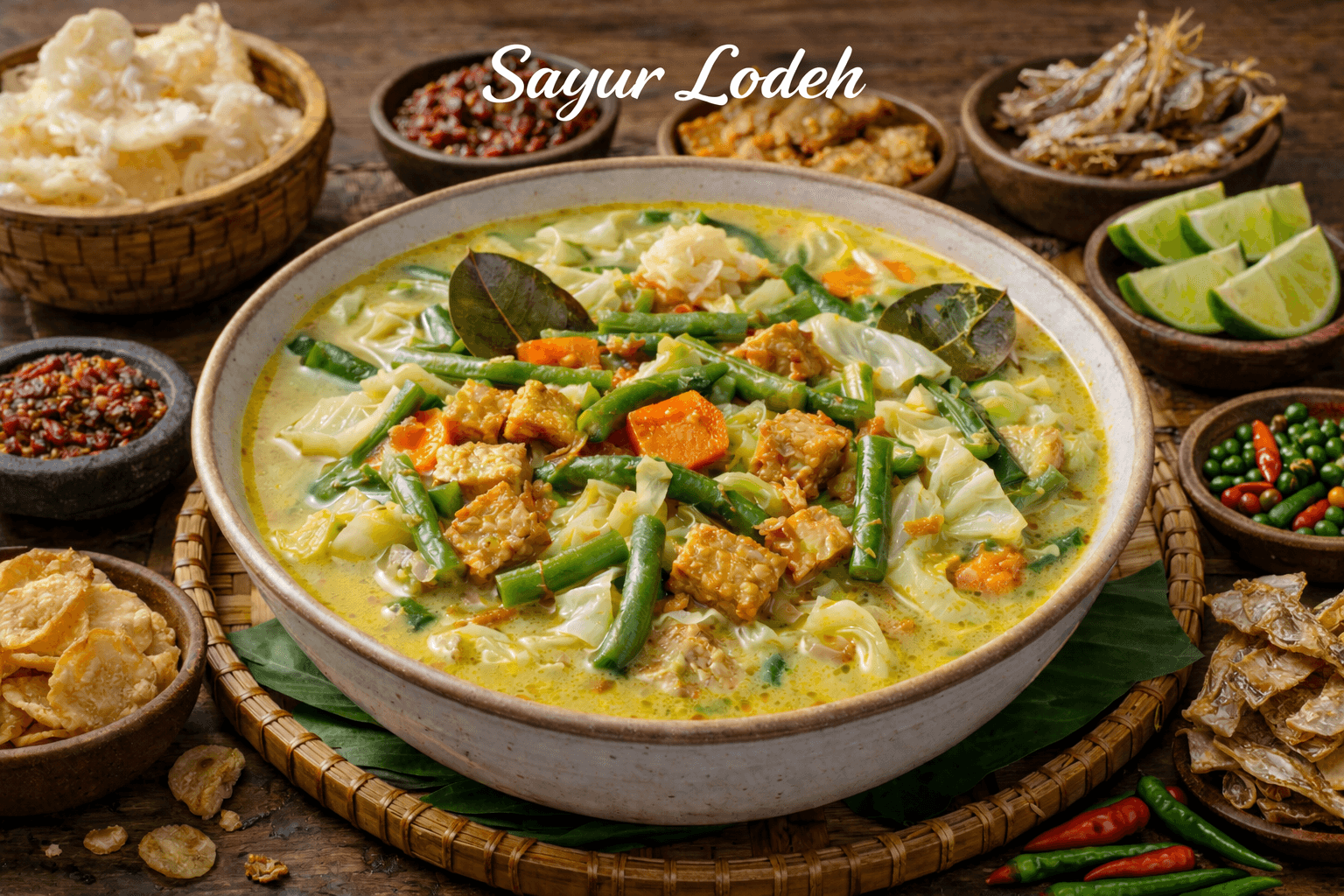
"Sayur Lodeh – Traditional Javanese Coconut Vegetable Stew"

Sayur lodeh is a classic Javanese vegetable stew, beloved for its gentle flavors and comforting presence in daily meals.


Simmered in a light coconut milk broth, it blends subtle aromatics like lemongrass and galangal, with garlic, shallot, and mild chili for depth.


Long beans, cabbage, carrots, and tempeh often fill the pot, though the mix shifts with the season and what's on hand.


Patience is essential; sayur lodeh cooks softly, never rushed, to preserve the vegetables’ texture and keep the broth from separating.


This dish shines alongside rice, sambal, emping, or kroepoek, and sometimes fried tofu or ikan asin.


Sayur lodeh isn’t made for special occasions—it’s a practical comfort food, valued for how it turns simple, available ingredients into a nourishing, balanced meal still found in Javanese kitchens today.

"Soto Ayam Jawa – Authentic Indonesian Chicken Soup with Turmeric"

Traditional Soto Ayam Jawa with turmeric broth, shredded chicken, rice or lontong, sambal, emping, and fresh herbs.

The Indo Fork

The Indo Fork

Jan 14, 2026
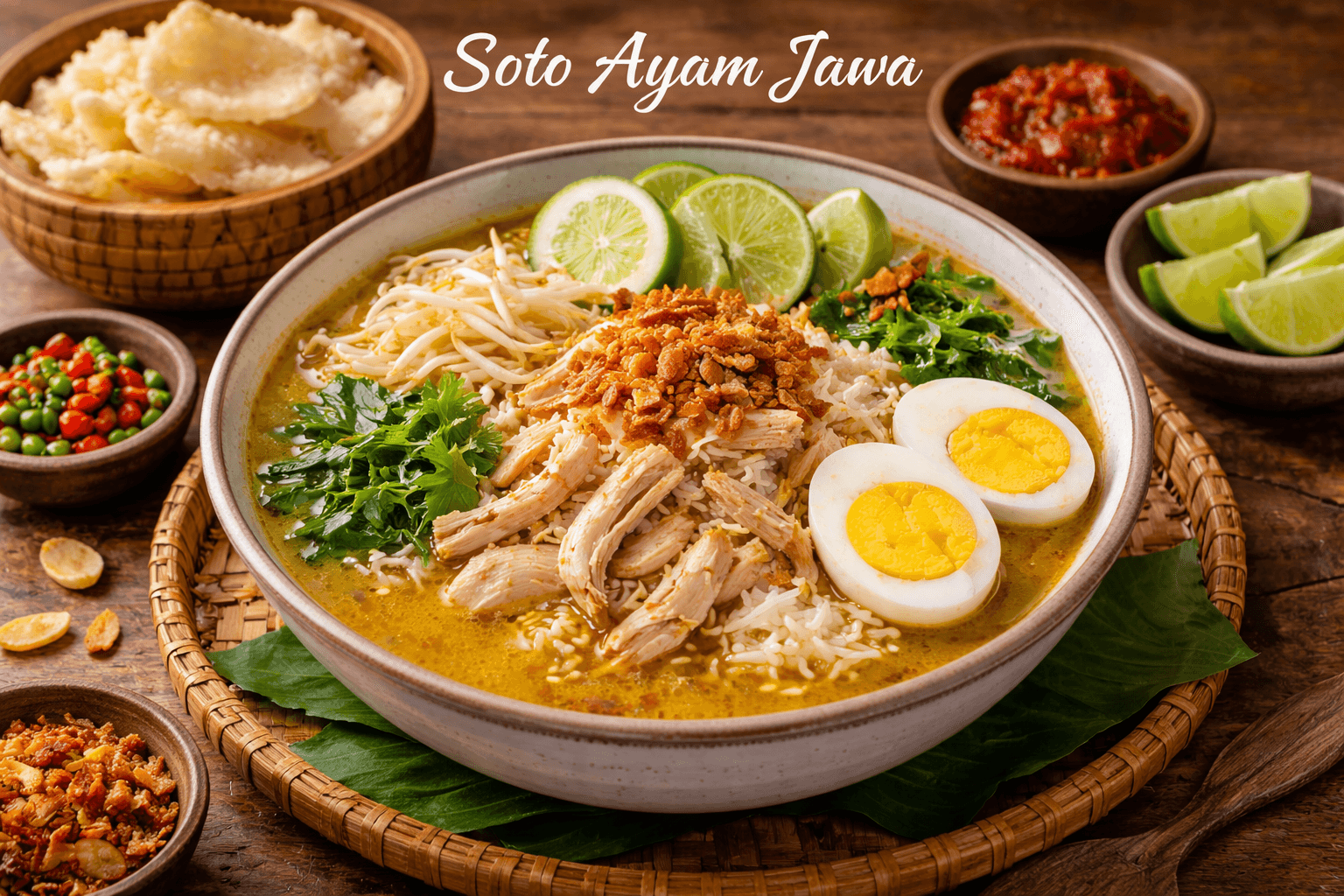
"Soto Ayam Jawa – Authentic Indonesian Chicken Soup with Turmeric"

Soto Ayam is a beloved Javanese chicken soup, known less as festive fare and more as comfort for everyday mornings and moments of quiet need.


Across Java, every kitchen adds a personal touch to this classic dish. Yet Lamongan’s version—treasured in East Java—stands out with its clear, turmeric-tinged broth and whispers of lemongrass, galangal, and kaffir lime.


The chicken is poached gently and hand-shredded, while the broth’s rich aroma is built on patient simmering and briefly bloomed spices.


Soto Ayam is finished at the table: rice or lontong, bean sprouts, chicken, and steaming broth topped with herbs, fried shallots, and a squeeze of lime.


Each bowl offers a symphony of flavor, from tangy acidity to the crunch of kroepoek, creating a meal best savored slowly—and one people say always tastes even better the next day.

"Gado-Gado Jawa – Authentic Javanese Vegetable Salad with Peanut Sauce"

Discover authentic Gado-Gado Jawa, a traditional Javanese warm vegetable salad with homemade peanut sauce, tofu, tempeh, and eggs.

The Indo Fork

The Indo Fork

Jan 14, 2026
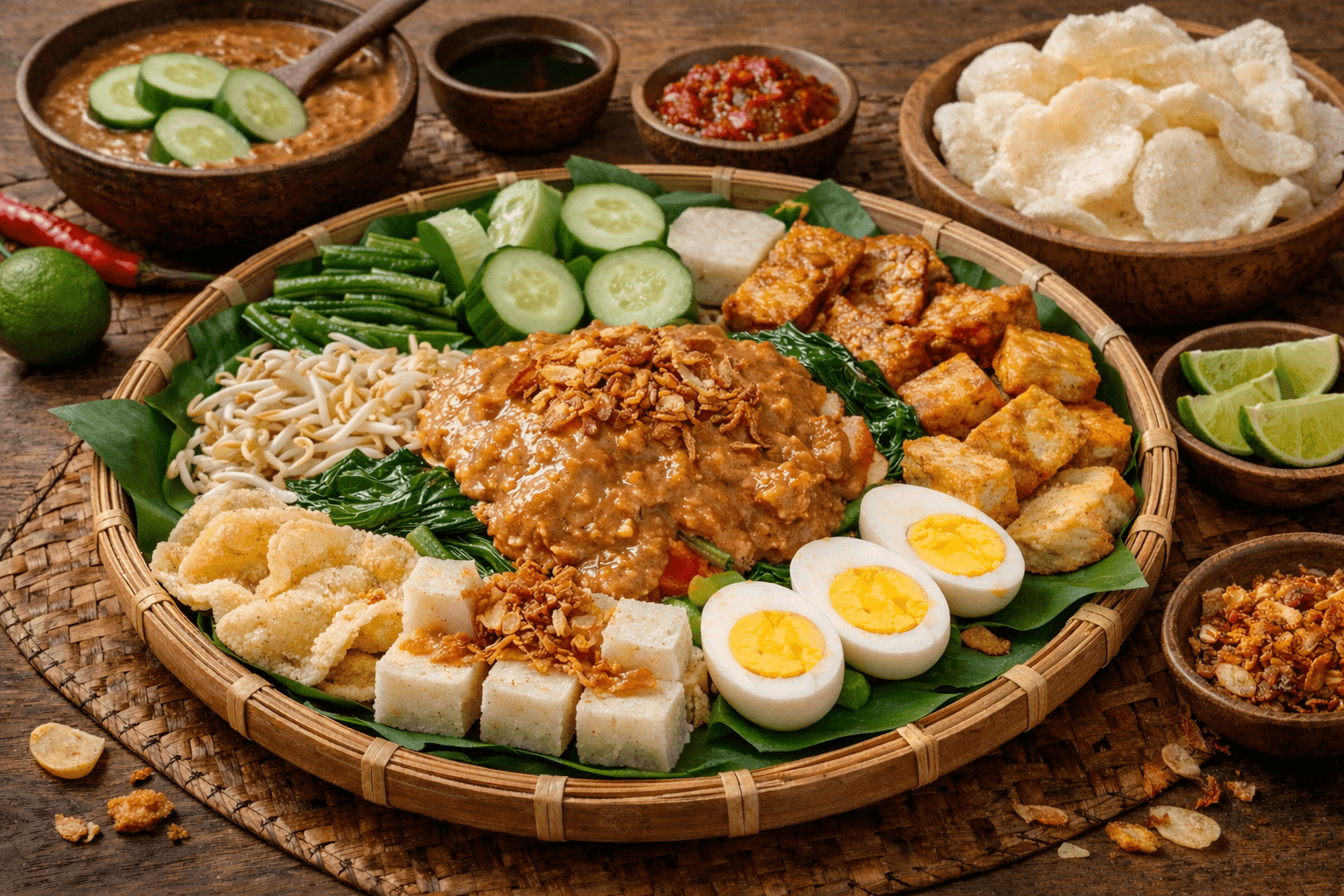
"Gado-Gado Jawa – Authentic Javanese Vegetable Salad with Peanut Sauce"

Gado-gado is a beloved staple in Javanese homes, prepared quietly and shared generously.


More than just a salad, gado-gado is a warm, grounding dish built on a medley of blanched seasonal vegetables like long beans, cabbage, bean sprouts, and spinach.


Tofu, tempeh, and eggs add comfort and substance, while the heart of the dish is its peanut sauce—slowly ground by hand, fragrant with palm sugar, garlic, chili, tamarind, and sweet kecap manis.


Each family tailors the sauce, balancing sweet and tangy to taste.


Gado-gado is traditionally assembled to order: vegetables heaped on plates, sauce spooned on top, finished with crispy emping or krupuk for crunch, and a squeeze of lime.


Lontong rice cakes absorb every drop of the rich sauce, turning a modest meal into true sustenance.


Here, gado-gado isn’t festive—it’s familiar food, crafted with care and meant to nourish both body and memory.

"Authentic Beef Rendang Recipe | The Indo Fork"

A traditional Indo family recipe for slow-cooked beef rendang, told through memory, patience, and authentic Indonesian technique.

The Indo Fork

The Indo Fork

Jan 14, 2026
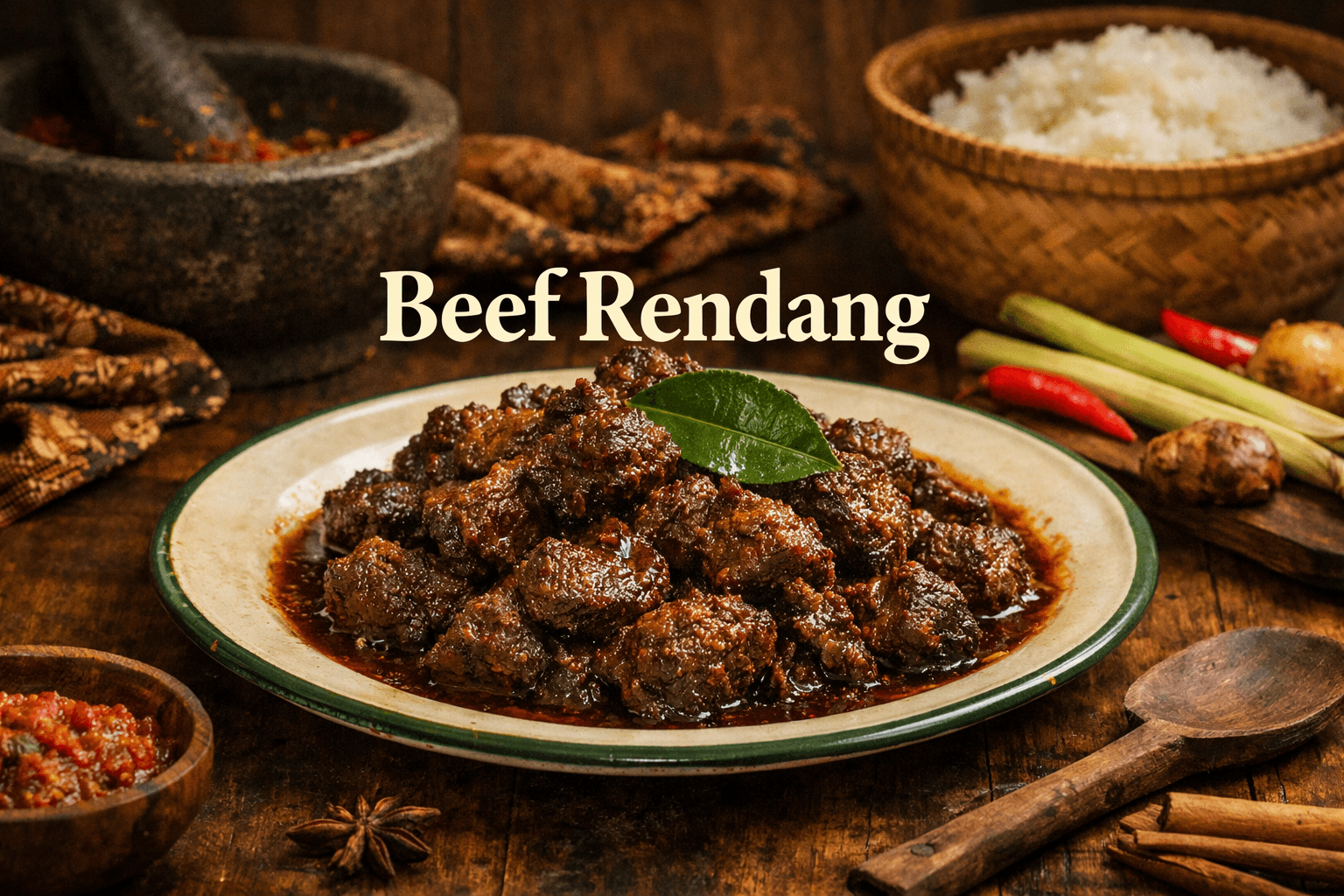
"Authentic Beef Rendang Recipe | The Indo Fork"

The memory of rendang begins not with taste, but with the gentle sounds of cooking—coconut milk poured slowly, a heavy pan warming on the stove, and a father’s quiet patience.


This celebrated Indonesian dish, woven deeply into family tradition, is more than food—it’s a lesson in restraint.


Cooking rendang filled the home with rich spices, the day unfolding slowly as generations practiced patience together.


Learning rendang came not from recipes, but from repetition, from watching hands that moved with confidence and care.


Unlike curry or stew, rendang transforms meat through hours of gentle heat, coconut milk reducing until only fragrant oil remains, wrapping each bite in memory.


In the end, there are no shortcuts—just deeply flavored meat and the quiet understanding that some meals are worth waiting for.


Selamat makan.

The Indo Fork

The Indo Fork

Privacy Policy

Terms & Conditions

Contact Us

© 2026 The Indo Fork.


The Indo Fork is a story-driven publication about Indo family cooking, memory, and tradition. Rooted in inherited recipes and kitchen rituals, it explores Indonesian and Indo food through personal stories, cultural context, and authentic dishes passed down through generations.

© 2026 The Indo Fork.