The Indo Fork
Archives
Kue Lapis Legit: The Art of Indonesia's Thousand-Layer Cake
SIGN UP FOR OUR NEWSLETTER
Kue Lapis Legit: The Art of Indonesia's Thousand-Layer Cake |
A testament to patience, heritage, and the beautiful marriage of Dutch and Indonesian culinary traditions |

The Indo Fork
Mar 11, 2026
 |
The Story Behind the Layers
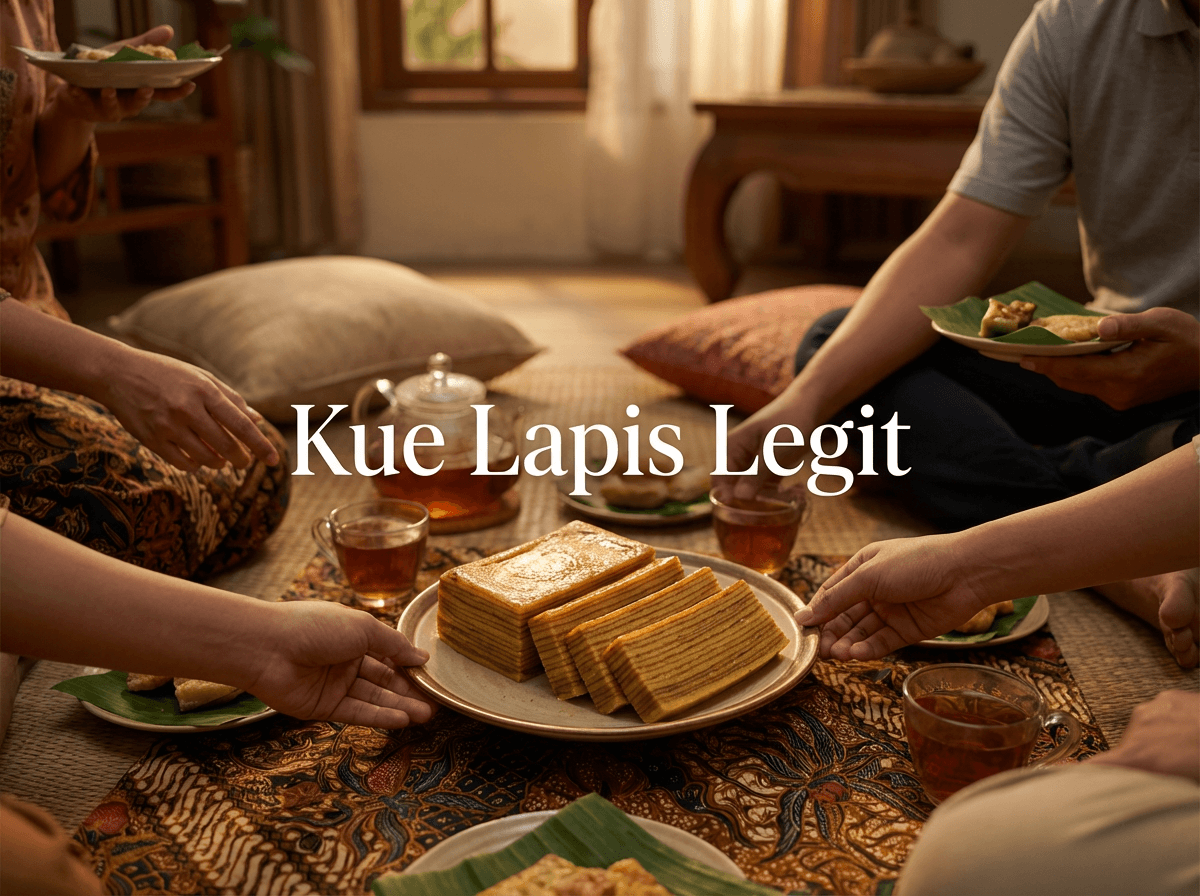
In the grand tradition of Indonesian celebration cakes, none commands quite the same reverence as kue lapis legit. This architectural marvel of a dessert, with its distinctive striped pattern of golden yellow and warm brown layers, represents centuries of cultural fusion and the patient artistry of Indonesian home cooks.
The cake's history traces back to the colonial era of the Dutch East Indies, when European baking techniques met the aromatic spice markets of the archipelago. Dutch colonizers brought their love of layered cakes, while Indonesian cooks introduced the bold flavors of cinnamon, nutmeg, and cloves that would transform this European confection into something uniquely Indonesian. The result? A cake that would become synonymous with celebration, family gatherings, and the most important holidays on the calendar.
Known alternatively as spekkoek (a Dutch term referencing its resemblance to bacon strips) or simply lapis legit (meaning "sweet thousand-layer cake"), this dessert occupies a special place in Indonesian hearts. It is not a cake one makes on a whim. It demands time, patience, and a level of dedication that speaks to the occasion it celebrates.
What Makes It SpecialTraditional recipes for kue lapis legit are notoriously extravagant, calling for as many as forty egg yolks. Yes, forty. This produces a cake of such richness and tenderness that it practically dissolves on the tongue. Modern interpretations have scaled this back to a more manageable dozen eggs while still preserving the cake's characteristic luxurious texture.
The batter is divided into two portions: one remains plain with vanilla, while the other is infused with a blend of spices. The spice mixture typically includes cinnamon, nutmeg, cloves, and sometimes cardamom or star anise. Some variations incorporate pandan for a striking green color, while others add prunes, raisins, or nuts between layers.
The defining characteristic of kue lapis legit is its construction. Each thin layer is poured into the pan and baked individually under a hot broiler for just a few minutes until set and lightly caramelized. Then another layer is added, and another, until the cake reaches its full height of anywhere from twelve to twenty layers. This process can take two to three hours, with the cook standing vigil to ensure each layer achieves the perfect color without burning.
The ExperienceA well-made kue lapis legit should slice cleanly, revealing perfect horizontal stripes. The texture is dense and moist, almost pudding-like, with each layer melding into the next while maintaining distinct lines. The flavor is complex: buttery richness from the egg yolks, warmth from the spices, and a subtle sweetness that allows the other flavors to shine.
This is not everyday cake. In Indonesian households, kue lapis legit appears for Lebaran (Eid), Christmas, Chinese New Year, weddings, and significant birthdays. It is often served with strong Indonesian coffee or tea, providing a counterbalance to the cake's richness. During these celebrations, the cake becomes a centerpiece, with families gathering around to admire the perfect layers before the first slice is cut.
Ingredients (Serves 12-16)For the spice mix:
For the cake:
Special equipment:
PreparationStep 1: Prepare the base
Step 2: Make the batter
Mix in the condensed milk, vanilla, rum (if using), and salt. Gently fold in the flour until just combined. Divide the batter into two equal portions. Mix the spice blend into one portion, leaving the other plain.
Step 3: Layer the cake
Remove from the oven and immediately pour a layer of the plain batter on top. Spread carefully and return to the broiler. Repeat this process, alternating between spiced and plain batter, until all the batter is used. Each layer should be thin enough that the color of the previous layer shows through the edges.
Step 4: The final bake
Step 5: Cooling and serving
Tips for SuccessThe secret to perfect kue lapis legit lies in consistency. Each layer must be approximately the same thickness to create those beautiful even stripes. Many experienced cooks use a measuring spoon to ensure uniformity.
Temperature control is equally important. The broiler must be hot enough to cook each layer quickly without drying it out, but not so hot that the top burns before the layer sets. Every oven is different, so your first few layers will tell you whether you need to adjust the rack position or cooking time.
Do not rush. This is a cake of meditation and mindfulness. Stand by your oven, watch each layer carefully, and embrace the process. The result is worth every minute.
A Living TraditionToday, kue lapis legit remains one of Indonesia's most beloved cakes, though it is increasingly rare to find it made at home. The time commitment means many families now purchase it from specialized bakeries, particularly during holiday seasons. A good homemade lapis legit is considered a true labor of love, and those who master it are held in high regard.
Whether you call it kue lapis, lapis legit, or spekkoek, this thousand-layer cake stands as a testament to the patience and artistry of Indonesian cooking. In each delicate stripe lies a story of cultural exchange, family tradition, and the understanding that some things cannot be rushed. They must be built, layer by careful layer, until something extraordinary emerges.
Selamat mencoba: may your layers be even and your patience rewarded.
Prep time: 30 minutes |