The Indo Fork
Archives
Sambal Brandal: The Bold, Blazing Heart of Indonesian Spice
SIGN UP FOR OUR NEWSLETTER
Sambal Brandal: The Bold, Blazing Heart of Indonesian Spice |
Master the art of Indonesia's most intense sambal, beloved by spice enthusiasts worldwide |

The Indo Fork
Mar 11, 2026
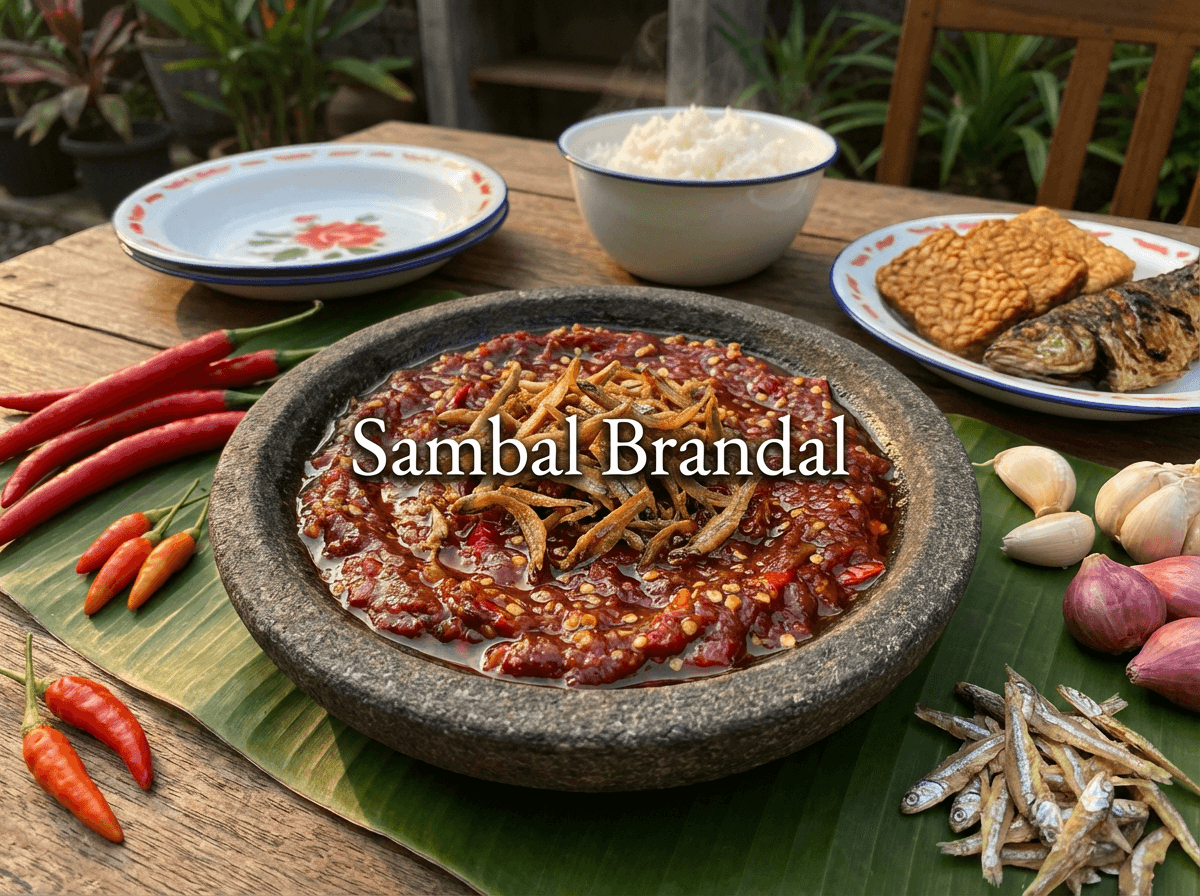 |
There is a warning implicit in the name. Brandal. In Indonesian, it suggests something fierce, something that takes no prisoners.
This is not a sambal for the cautious. It is not a gentle introduction to Indonesian cuisine. Sambal brandal is a declaration of war against blandness, a condiment that demands respect and rewards the brave.
The Philosophy of Heat
Indonesian cuisine understands that heat is not merely about pain. True spiciness is about complexity, about the way capsaicin interacts with other flavors to create something greater than the sum of its parts.
Sambal brandal embodies this philosophy perfectly. It is unapologetically hot, yes. But it is also deeply aromatic, layered with the flavors of fried shallots, garlic, and the subtle sweetness that emerges when chilies meet hot oil.
The name itself is telling. Brandal shares roots with words meaning fierce or intense. This is sambal for those who believe that food should make you sweat, should clear your sinuses, should leave you slightly breathless and entirely satisfied.
Origins of Fire
Like all sambals, brandal emerged from the Indonesian archipelago's unique culinary history. The arrival of chili peppers from the Americas in the sixteenth century transformed existing condiments, creating entirely new categories of flavor.
Before chilies, Indonesians used black pepper, ginger, and native spices to add heat to their food. The chili did not replace these ingredients but joined them, creating a spectrum of spiciness that ranges from gentle warmth to volcanic intensity.
Sambal brandal developed in Java, where the cuisine tends toward the refined and complex. Unlike simpler raw sambals, brandal is cooked, which tempers the raw heat of the chilies and allows deeper flavors to develop.
The cooking process is crucial. Raw chilies deliver sharp, aggressive heat. Fried chilies offer something more nuanced, a warmth that builds slowly and lingers pleasantly.
The Authentic Recipe
This is the real thing. The sambal brandal as it is made in Indonesian kitchens where spice tolerance is a point of pride.
Makes: About 200 ml / 3/4 cup
Ingredients:
150 grams / 5.3 ounces red bird's eye chilies or Thai chilies (about 20-25 chilies)
The Method
Begin with the chilies. This is sambal brandal, so do not be timid. Bird's eye chilies provide the authentic heat, though Thai chilies or cayenne peppers can substitute if necessary.
Remove the stems from the chilies. For maximum heat, keep the seeds and white pith intact. For a slightly milder version, remove some seeds, but remember that authenticity demands fire.
Slice the shallots thinly. They should be fresh and firm, their layers tightly packed. The shallots provide sweetness and body that balance the intensity of the chilies.
Slice the garlic similarly. In sambal brandal, garlic plays a supporting role to the chilies, adding depth without competing for attention.
If using candlenuts, toast them lightly in a dry pan until fragrant, then crush them coarsely. These nuts add a subtle richness and help thicken the sambal, though the recipe works without them.
Heat the oil in a wok or heavy skillet over medium heat. The oil should be hot but not smoking. Add the shallots and fry slowly, stirring occasionally, until they turn deep golden brown. This takes about ten minutes. The shallots should be sweet and fragrant, on the verge of caramelization.
Add the garlic and fry for another two minutes until golden. Remove the fried shallots and garlic with a slotted spoon, leaving the oil in the pan.
Now comes the dramatic part. Add the chilies to the hot oil. They will sizzle violently and release pungent fumes. Stand back and let them fry for four to five minutes until the skins blister and the chilies soften.
Remove the chilies and transfer them to a mortar or food processor along with the fried shallots, garlic, and candlenuts if using. Pound or process until you achieve a coarse paste. The texture should be rustic, with visible pieces of chili and shallot.
Return the paste to the pan with the remaining oil. Add the salt and sugar. Fry over low heat for eight to ten minutes, stirring constantly. The sambal will darken to a deep red-brown color. The oil will separate and take on a brilliant orange-red hue.
The long cooking time is essential. It mellows the raw heat of the chilies and allows the flavors to integrate completely.
Remove from heat and stir in the lime juice. The acid brightens the flavors and adds a fresh counterpoint to the richness of the fried ingredients.
If the sambal seems too thick, add a tablespoon of hot water to achieve the desired consistency.
Serving and Surviving
Sambal brandal is not for the faint of heart. Serve it in small portions alongside steamed rice and protein-rich dishes that can stand up to its intensity.
It pairs exceptionally well with grilled meats, where the char and fat provide balance to the heat. Try it with fried chicken, where the crispy coating offers textural contrast. Spoon it over simple vegetable dishes to transform them into something memorable.
Some Indonesians eat sambal brandal straight with rice and a fried egg, sweating happily through meals that would send less seasoned palates running for water.
Speaking of water, it does not help. The compound responsible for chili heat, capsaicin, is oil-soluble, not water-soluble. Drinking water spreads it around your mouth. Reach instead for milk, yogurt, or coconut water if the heat becomes overwhelming.
Storage and Caution
Store sambal brandal in a clean glass jar with a tight-fitting lid. It will keep in the refrigerator for up to two weeks, though the intensity may mellow slightly over time.
When handling the chilies, wear gloves if you have sensitive skin. The oils can linger on fingers and cause burning if you touch your eyes or other sensitive areas. Wash your hands thoroughly with soap after preparation.
Make this sambal when you want to understand the outer limits of Indonesian cuisine. It is not subtle. It is not gentle. It is pure, unadulterated flavor that demands attention and respect.
That is sambal brandal. |