The Indo Fork
Archives
Rendang: The Crown Jewel of Indonesian Cuisine
SIGN UP FOR OUR NEWSLETTER
Rendang: The Crown Jewel of Indonesian Cuisine |
Discover the legendary beef dish that conquered the world from the highlands of West Sumatra |

The Indo Fork
Mar 12, 2026
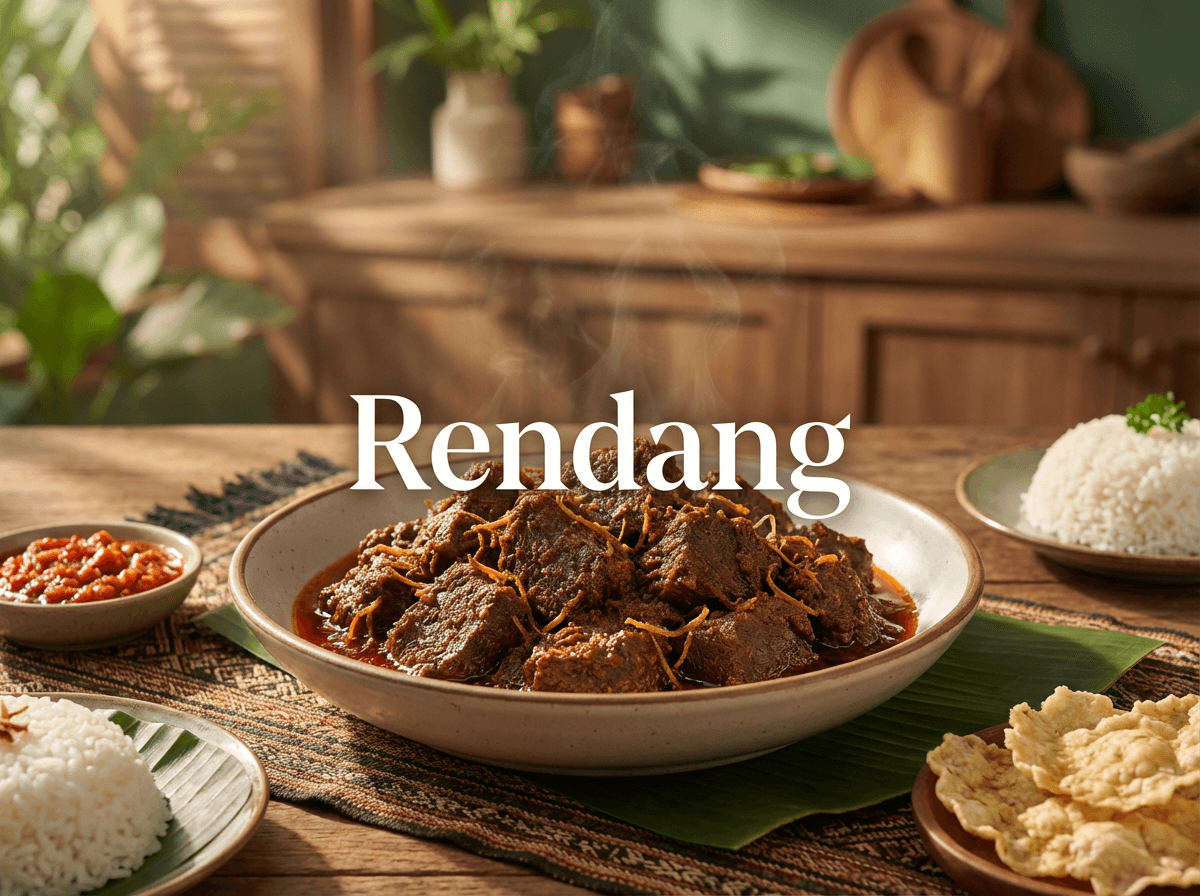 |
There is a reason why rendang was crowned the best food in the world.
Not once, but multiple times by international food critics and travel networks. This is not hyperbole. This is the recognition of a dish so complex, so deeply flavored, so utterly satisfying that it transcends cultural boundaries and speaks directly to something primal in every human who tastes it.
Rendang is not just food. It is a testament to patience, tradition, and the transformative power of time.
From the Highlands of West Sumatra
Rendang comes from Padang, the capital city of West Sumatra province on the island of Sumatra.
The Minangkabau people, who call this region home, have perfected the art of slow-cooking beef over centuries. Their cuisine, known as Masakan Padang, is famous throughout Indonesia and beyond for its bold flavors and generous use of coconut milk and spices.
Traditionally, rendang was prepared for ceremonial occasions. Weddings, religious festivals, and important community gatherings all demanded the presence of this special dish. The preparation was communal, with women gathering to pound spices, grate coconuts, and tend the fires that would transform simple ingredients into something extraordinary.
In 2021, UNESCO recognized the cultural significance of rendang by adding Indonesian angklung and three traditional foods, including rendang, to its Representative List of the Intangible Cultural Heritage of Humanity.
The Philosophy of Rendang
What makes rendang unique is not any single ingredient, but the process.
The beef is simmered for hours in coconut milk infused with a complex blend of spices. Lemongrass, galangal, ginger, turmeric, garlic, shallots, and chilies all play their part. But the true magic happens through reduction.
As the liquid slowly evaporates, the coconut milk caramelizes and the spices concentrate. The beef absorbs these flavors while simultaneously becoming tender enough to cut with a spoon. The result is a dish where the sauce has almost completely reduced, leaving the meat coated in a thick, dark, intensely flavored paste.
This is not a quick weeknight dinner. Authentic rendang demands four to five hours of gentle simmering and constant attention. The cook must stir regularly to prevent burning, adjusting the heat as the liquid reduces.
The Authentic Recipe
This is the real thing. The rendang as it is made in Padang, where the dish has been perfected over generations.
Serves: 6-8 people
Ingredients:
1 kg / 2.2 lbs beef (chuck or brisket), cut into 5cm / 2 inch cubes
For the spice paste (rempah):
10 shallots, peeled
The Method
Begin with the spice paste. Combine all rempah ingredients in a food processor or mortar and blend into a smooth paste. The candlenuts add thickness and richness, but macadamia nuts work as a substitute if unavailable.
Heat the oil in a large, heavy-bottomed pot or Dutch oven over medium heat. Add the spice paste and fry for 8-10 minutes until fragrant and the oil begins to separate. This step is crucial. The spices must be properly cooked to release their full flavor potential.
Add the beef cubes and stir to coat them in the spice paste. Brown the meat on all sides, about 5 minutes.
Pour in the coconut milk and water. Add the lemongrass, kaffir lime leaves, turmeric leaves (if using), cinnamon stick, star anise, cardamom pods, sugar, and salt. Stir well to combine.
Bring to a gentle boil, then reduce heat to low. The liquid should barely simmer. Now begins the long, slow reduction process.
Leave the pot uncovered and simmer for 3-4 hours, stirring every 15-20 minutes to prevent sticking. As the liquid reduces, the sauce will thicken and darken from golden to deep brown.
In the final hour, the sauce will become very thick. Stir more frequently, scraping the bottom to prevent burning. The rendang is ready when the liquid has almost completely evaporated and the beef is coated in a thick, dark, fragrant paste.
The meat should be fork-tender and the flavors intensely concentrated. Taste and adjust seasoning if needed.
Serving and Storing
Rendang is traditionally served with steamed white rice and other Padang dishes. It is the centerpiece of any meal, with other dishes playing supporting roles.
Try it with sayur lodeh (vegetables in coconut milk), sambal ijo (green chili sambal), and boiled cassava leaves for an authentic Padang meal.
One of the remarkable qualities of rendang is its longevity. The long cooking process and high spice content act as natural preservatives. Properly cooked rendang can be kept at room temperature for several days and actually improves in flavor over time.
For longer storage, refrigerate for up to two weeks or freeze for up to three months. The flavors will continue to develop and deepen.
A World Treasure
When CNN Travel crowned rendang as the number one dish in their World's 50 Best Foods list, Indonesians were not surprised. They have known for generations what the rest of the world is only beginning to discover.
Rendang represents the pinnacle of Indonesian culinary achievement. It is a dish that demands respect for tradition, patience in preparation, and an understanding that the best things cannot be rushed.
Make this dish when you have time to spare. Make it when you want to understand why an entire culture holds a single recipe in such high regard. Make it when you are ready to taste perfection.
That is rendang. |